Loch Ness Cruise Tickets: How Booking, Refunds and Boarding Work
Booking a boat on Loch Ness is simple once you know the three things that trip people up: when to reserve, how early to turn up, and what the ticket actually is when you get there.
Short answer
Choose your cruise, date, departure and party on the booking page, then save the confirmation for check-in. Cancellation terms differ: the checked Viator listings use 24 hours, while the main GetYourGuide cruise listings use two days. Follow the meeting and check-in instructions on your ticket.
Most of the questions I fielded on the jetty were not about the loch at all. They were about the ticket. Do I need to book ahead. What if it rains. How early do I have to be here. Where is the actual ticket, because someone had a confirmation email but no idea whether that counted. None of it is complicated once you see how these bookings really work, so this guide walks the practical side start to finish, from reserving a seat to stepping aboard.
Check your ticket’s cancellation deadline before paying: the verified Viator cruise listings use 24 hours, while the main GetYourGuide cruise listings use two days. That last point is the one that changes how you should plan, because it means you can hold a date now and decide later. For the fares behind the tickets, the Loch Ness cruise prices guide breaks every sailing down by cost; this page is about the booking itself.
How do Loch Ness cruise tickets work?
Loch Ness cruise tickets are bought online through the booking platform and delivered as an e-ticket to your phone or email. You pick a sailing, a date and a time, choose adult and child seats, and pay upfront. There is no separate box office to queue at on the day: you show the e-ticket at the pier. Check your ticket’s cancellation deadline before paying: the verified Viator cruise listings use 24 hours, while the main GetYourGuide cruise listings use two days.
The process is the same across the fleet because Jacobite operates the boat-only cruises compared here, while the coach package also involves D&E Coaches. You choose the cruise, the date and the departure time, set the number of adults and children, and pay. The confirmation that lands in your inbox, or in the booking app, is your ticket. There is no paper to collect and no counter to find first; the crew scans or checks the booking at the boarding ramp.
That single-operator setup keeps things predictable. The same booking flow, provider-specific cancellation terms and the same boarding routine apply whether you pick the 50-minute Inspiration run or the coach-and-cruise day. What changes between sailings is the departure point and the arrival buffer, which the pier section below covers. If you want the operator's whole line-up before you choose which ticket to buy, the Jacobite operator hub explains each one.
One practical detail catches people out: the confirmation you get is the ticket, so keep it. Booking through the platform means payment is handled by the platform rather than paid in cash at the pier, and the reference number in that email is what ties your seats to the sailing. If you booked more than one cruise across a Highland trip, and plenty of visitors pair a loch sailing with a castle day, keep the references separate so you show the right one at the right jetty. The confirmation lists the sailing name, the date and time, the pier, and the number of adults and children, and those are the details the crew checks against at boarding. The table sets out what a booking involves at each step.
| Step | What happens | Good to know |
|---|---|---|
| Choose the sailing | Pick cruise, date and time | Times vary by season, check the live listing |
| Select seats | Adults and children | Child fares are lower, confirm the age bands |
| Pay online | Full payment upfront | Secures the seat instantly |
| Receive the e-ticket | Email or booking app | No paper to collect |
| Board at the pier | Show the e-ticket | Arrive 30 to 45 min early by pier |
Each of those is booked the same way; the difference is what the ticket includes and where it leaves from. Once you have picked, the confirmation is all you need to bring. Everything after payment is about timing your arrival, which is where most of the avoidable stress lives.
Can you cancel a Loch Ness cruise and get a refund?
Yes. Check your ticket’s cancellation deadline before paying: the verified Viator cruise listings use 24 hours, while the main GetYourGuide cruise listings use two days. Inside 24 hours the booking is usually non-refundable. If the operator cancels for weather or mechanical reasons, you are offered a refund or an alternative sailing. Always check the exact terms on your own listing.
The cancellation deadline is part of the purchase decision. Check it before reserving, keep the confirmation and use the booking provider’s cancellation process if your plans change. Do not assume that a poor forecast lets you cancel after the deadline.
Two honest caveats sit on that. First, the window is a platform policy, so it travels with the booking rather than being an operator guarantee, and a specific listing can differ, which is why you check the terms on your own booking page. Second, once you are inside your ticket’s cancellation deadline the ticket usually locks in, so a same-morning change of heart is not covered. When the operator is the one cancelling, for conditions or a mechanical issue, the refund-or-rebook offer comes from them. The table below sorts the scenarios so you know where you stand.
| Situation | Typical outcome | Notes |
|---|---|---|
| You cancel before your ticket’s deadline | Full refund | Check the specific ticket’s terms |
| You cancel after your ticket’s deadline | Usually non-refundable | Confirm on your listing |
| Operator cancels for weather | Refund or alternative date | Their call on conditions |
| Operator cancels, mechanical | Refund or rebook | Offered at the pier or by email |
| No-show | No refund | Treat the departure time as firm |
Do you need to book a Loch Ness cruise in advance?
In peak summer, yes. July and August sailings, especially the popular 50-minute Inspiration run and the coach day trips, do sell out, so book a few days ahead to get the time you want. Check your ticket’s cancellation deadline before paying: the verified Viator cruise listings use 24 hours, while the main GetYourGuide cruise listings use two days.
Availability swings hard with the season on this loch. Through July and August the boats fill, the coach seats go first because they carry a fixed passenger count, and the mid-day departures on a sunny forecast are the ones that vanish. If you have a specific date and a specific sailing in mind during summer, booking a few days out is the difference between the slot you want and the one that is left. The fleet runs almost every day of the year, so there is almost always a boat; the question in peak season is whether it is the boat and time you wanted.
Off-peak the pressure lifts. In the shoulder and winter months the timetable thins to fewer daily departures, but each one has room, and walking up or booking the same morning is usually fine. Check your ticket’s cancellation deadline before paying: the verified Viator cruise listings use 24 hours, while the main GetYourGuide cruise listings use two days.
Group size changes the advice too. A couple can nearly always squeeze onto a sailing even in August, but a party of eight wanting to sit together, or a family needing a run of child seats on the same boat, is far more exposed to a sell-out. If you are booking for more than four or five people in peak season, treat advance booking as a requirement rather than a nicety, and book the whole party on one reference so the crew can seat you together. Larger groups still are often better served by a separate private-boat quote, subject to the operator’s schedule and group limit. The table below sets expectations by season.
| Season | Availability | Booking advice |
|---|---|---|
| July to August | Busiest, sailings sell out | Book several days ahead |
| Late spring, early autumn | Steady, mid-day slots fill | Book a day or two ahead |
| Winter | Reduced timetable, room aboard | Walk-up often fine, still reserve |
| Any peak sunny day | Popular times go first | Grab the slot, Check the cancellation deadline |
For where those departures actually leave from, and which pier suits your plans, the Clansman Harbour departures guide and the wider Loch Ness Cruises homepage lay out the options with live times.
How early should you arrive before a Loch Ness cruise?
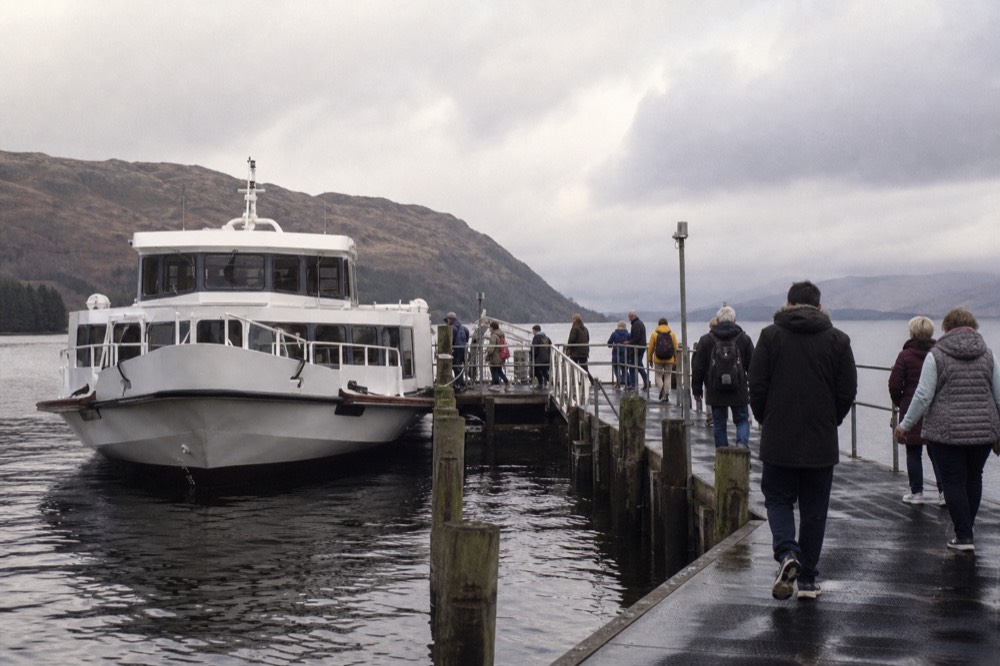
Arrive 45 minutes before departure at Clansman Harbour and about 30 minutes at Dochgarroch Lock. For the coach day trips, be at the Inverness pickup point at the time printed on your ticket, since the coach will not wait. The buffer covers parking, the walk to the jetty and boarding, all of which take longer than people expect in peak season.
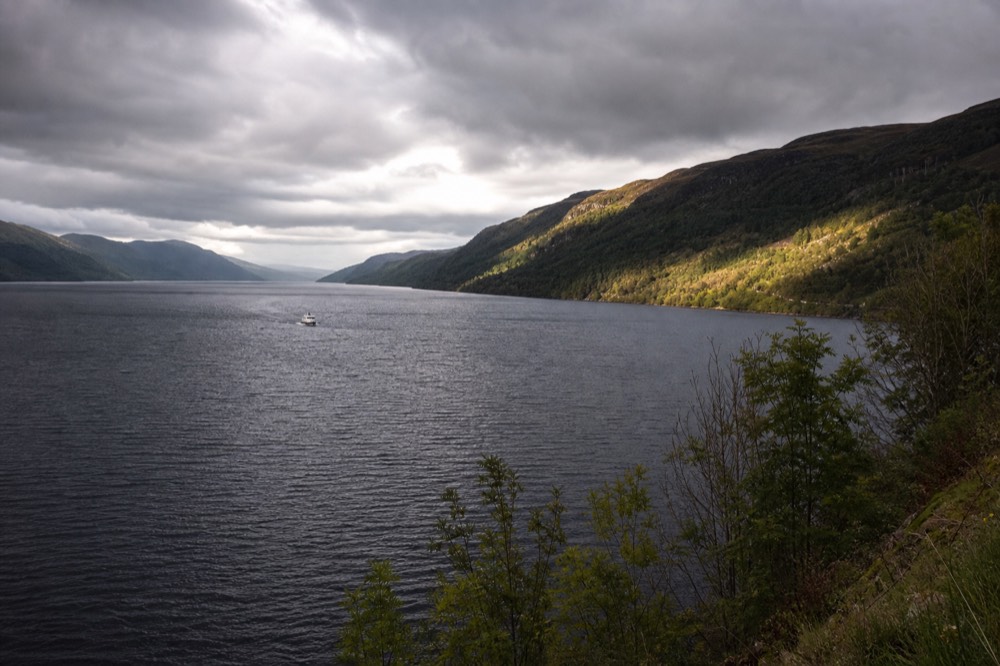
The arrival buffer is where avoidable stress lives, and it differs by pier. Clansman Harbour, nine miles south of Inverness on the A82, asks for 45 minutes, and that is not padding: in summer the free car park at the Clansman Hotel fills, the walk to the boarding ramp takes a few minutes, and a queue forms at the jetty before a busy sailing. Turn up ten minutes before and you risk watching your boat pull away. Dochgarroch Lock, four to five miles out and quieter, is gentler, so 30 minutes is comfortable there.
The coach trips run on a different clock. Your ticket names an Inverness pickup time, and the coach keeps to it, so treat that time as fixed rather than a suggestion. Missing the coach means missing the whole day, with no boat to catch up to. Check the exact pickup point when you book, since it is a set spot in the city rather than the pier, and factor in a few minutes to find it if you are new to Inverness. Parking in town before a coach departure is your own arrangement, so leave time for it. Whatever the pier, building in the buffer also gives you the pick of seats: the open top deck fills first on a fine day, and it is the deck where the loch actually opens up. The table below sets the arrival guidance by departure point.
| Departure | Arrive before | Why the buffer |
|---|---|---|
| Clansman Harbour | 45 minutes | Parking fills, walk to jetty, boarding queue |
| Dochgarroch Lock | 30 minutes | Quieter pier, shared parking |
| Inverness coach pickup | As the ticket states | The coach will not wait |
| Any peak summer sailing | Add a margin | Car parks and top-deck seats go first |
Is a Loch Ness cruise ticket an e-ticket, and do you print it?
Your ticket is an e-ticket held on your phone or in the booking app, and you do not need to print it. At the pier you show the confirmation with its booking reference and QR or barcode, and the crew checks you off. A printout works fine as a backup if you would rather not rely on signal or battery, but paper is not required.
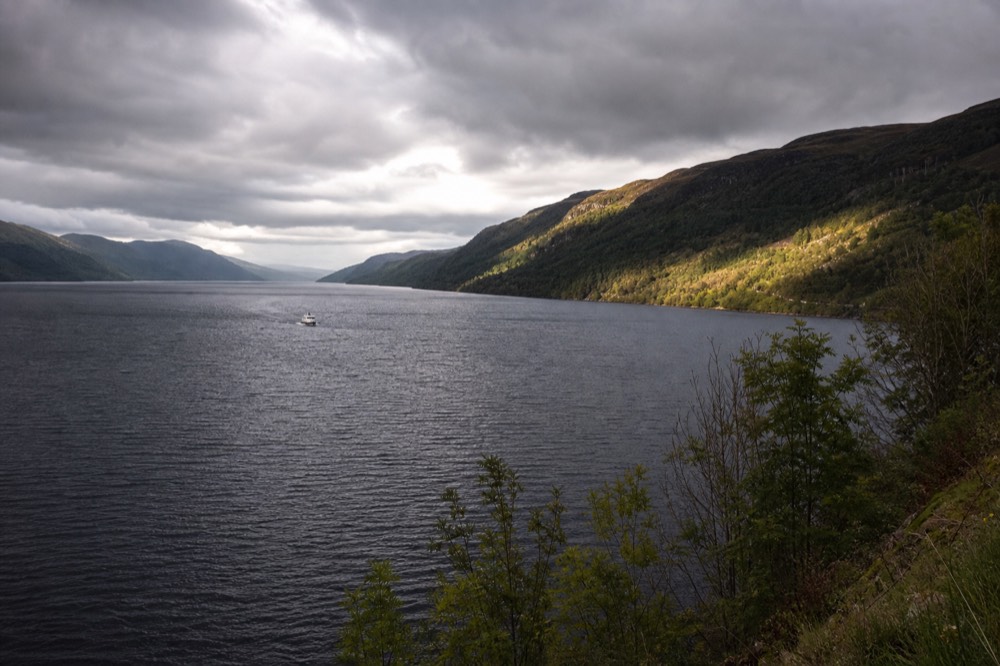
Everything runs off the digital confirmation. When you book, the platform sends an e-ticket to your email and stores it in the booking app, and that reference is what the crew needs at the boarding ramp. There is no will-call desk and no paper to collect beforehand. Have the confirmation open and ready as you reach the jetty, because fumbling for it in a queue is the one bit of friction you can avoid entirely.
A couple of practical notes from the pier. Highland signal can be patchy at the water's edge, so it is worth screenshotting the e-ticket or saving it offline in the app before you leave the car, and a printout is a fine fallback if your battery is unreliable. Bring the booking under the lead traveller's name and have any child tickets on the same reference. The table below is a quick pre-departure checklist.
| Before you board | Do this | Why |
|---|---|---|
| Save the e-ticket offline | Screenshot or app download | Signal is patchy at the pier |
| Charge your phone | Or bring a printout | The ticket lives on your device |
| Know the booking name | Lead traveller's name | Crew checks against it |
| Arrive within the buffer | 30 to 45 min by pier | Boarding closes before departure |
| Dress for the top deck | Warm layer, waterproof | The best views are outside |
If the quiet canal pier suits your plans, the 50-minute Dochgarroch sail is the gentlest first booking to practise this flow on, with a calm pontoon and a shorter arrival buffer.
What happens if the weather cancels your sailing?
If the operator cancels a sailing for weather, you are offered a full refund or a place on an alternative departure, and this comes from the operator rather than the platform. The boats run in most Highland weather thanks to heated saloons, so full cancellations are uncommon and usually reserved for genuinely unsafe conditions. If you cancel yourself for a poor forecast, use the cancellation window on your selected ticket the day before.
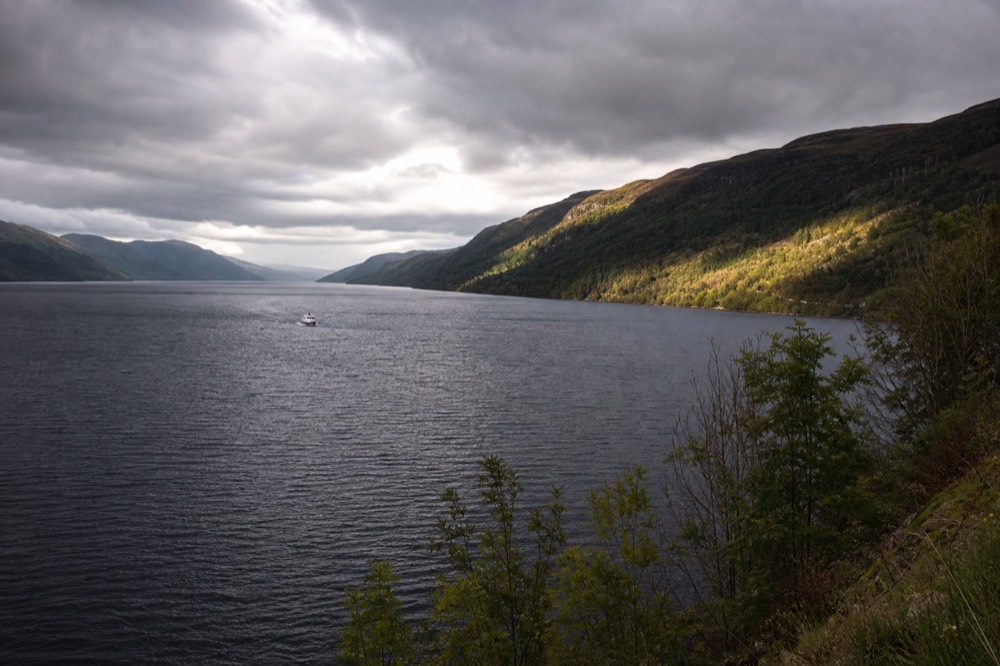
Weather rarely stops these boats, which surprises visitors bracing for a washout. The vessels carry heated indoor saloons, so a grey, blustery Highland day is a normal sailing day, not a cancelled one, and plenty of my best runs happened under low cloud with rain streaking the windows. The commentary carries on, the castle still appears, and the loch under a squall has a drama the sunny photos miss. Full operator cancellations are held back for conditions that are actually unsafe, and when they happen you get a refund or a rebooking without a fight.
There is a seasonal wrinkle worth knowing. In the depth of winter the timetable thins to fewer departures, often clustered around early afternoon when the light is best, so a cancelled slot is harder to swap same-day simply because there are fewer to swap into. That is another quiet argument for booking a day or two ahead even off-peak: you keep the pick of the reduced schedule rather than scrambling for whatever is left. In summer the density of sailings works the other way, and a missed departure still needs the operator’s agreement and may require a new ticket.
Check your ticket’s cancellation deadline before paying: the verified Viator cruise listings use 24 hours, while the main GetYourGuide cruise listings use two days. The boats sail under the UK Boatmaster's Licence regime and the Inland Waters Passenger Ship Code, so the call to sail or not is a trained skipper's, made on real safety grounds rather than on whether it is raining. For the deeper picture of the loch itself, the largest body of fresh water by volume in Great Britain, the blog on how much a cruise costs sets the value against the conditions.
Book with the forecast in mind, read the ticket’s cancellation terms, and treat a grey sky as a reason to bring a waterproof rather than to stay home. The heated cabin means the trip works in weather that would sink a plan built around an open boat.
Common questions about Loch Ness cruise tickets
Do I need to print my Loch Ness cruise ticket?
No. Your ticket is an e-ticket held on your phone or in the booking app, and you show the confirmation with its booking reference at the pier. A printout is a fine backup if your battery or signal is unreliable, but paper is not required. Save the e-ticket offline before you leave the car, because signal at the water's edge can be patchy.How far in advance should I book a Loch Ness cruise?
In July and August, book several days ahead, because the popular 50-minute run and the coach day trips do sell out and the best mid-day slots go first. In the quieter months you can often walk up or book the same morning. Check your ticket’s cancellation deadline before paying: the verified Viator cruise listings use 24 hours, while the main GetYourGuide cruise listings use two days.Can I change my sailing time after booking?
Check your ticket’s cancellation deadline before paying: the verified Viator cruise listings use 24 hours, while the main GetYourGuide cruise listings use two days. After your ticket’s deadline, changes may be restricted or non-refundable. Terms vary by listing, so check the exact change and cancellation rules on your own booking page before you rely on being able to switch.What time should I arrive at the pier?
Arrive 45 minutes before departure at Clansman Harbour, where the car park fills and there is a walk to the jetty, and about 30 minutes at the quieter Dochgarroch Lock. For a coach day trip, be at the Inverness pickup point at the exact time on your ticket, because the coach keeps to it and will not wait.Will my cruise run if the weather is bad?
Almost always. The boats carry heated indoor saloons, so a grey, wet or blustery day is a normal sailing day rather than a cancellation, and the trained skipper only pulls a sailing for genuinely unsafe conditions. If the operator does cancel, you get a refund or an alternative date. Check your ticket’s cancellation deadline before paying: the verified Viator cruise listings use 24 hours, while the main GetYourGuide cruise listings use two days.Choose your Loch Ness outing
A starting recommendation — use the options below to match your plans.
Two-hour canal and castle-view cruise
Have your travel date in mind? The Caledonian Canal, open Loch Ness and Urquhart Castle from the water, with English commentary and sonar. Check the departure before arranging the rest of your day.
120 minutes · Starts at Dochgarroch Lock. No castle landing. Food and drinks cost extra. Wheelchair access and pet dogs are listed on GetYourGuide.
Match your plans & compare the options
Which route and duration fit the day you have planned?
Two-hour canal and castle-view cruise — 120 minutes; Dochgarroch Lock. The Caledonian Canal, open Loch Ness and Urquhart Castle from the water, with English commentary and sonar. No castle landing. Food and drinks cost extra. Wheelchair access and pet dogs are listed on GetYourGuide.
50-minute castle-view cruise — 50 minutes; Clansman Harbour. Audio commentary, sonar and Urquhart Castle views; returns to Clansman without castle entry. 26 steps to the harbour; not wheelchair accessible. Pet dogs welcome on the verified GetYourGuide listing.
Inverness coach, cruise and castle visit — 210 minutes; Inverness Bus Station, Stance 7. Return coach from Inverness, a one-hour cruise and around one hour inside Urquhart Castle; admission included. English guide. No hotel pickup or pet dogs; assistance dogs only. Not suitable for limited mobility. Infants need a booked seat and your own car seat.
50-minute canal and loch cruise — 50 minutes; Dochgarroch Lock. A short canal and northern Loch Ness outing, returning to Dochgarroch. No castle visit. Wheelchair access and pet dogs are listed on GetYourGuide; confirm boarding arrangements.
Scheduled departures are a guide; final availability and price are confirmed on Viator.
Check dates: Two-hour canal and castle-view cruise